This site is the most comprehensive on the web devoted to trans history and biography. Well over 1800 persons worthy of note, both famous and obscure, are discussed in detail, and many more are mentioned in passing.

There is a detailed Index arranged by vocation, doctor, activist group etc. There is also a Place Index arranged by City etc. This is still evolving.

In addition to this most articles have one or more labels at the bottom. Click one to go to similar persons. There is a full list of labels at the bottom of the right-hand sidebar. There is also a search box at the top left. Enjoy exploring!

Showing posts with label timeline. Show all posts

13 November 2023

Trans Singapore: Part 2 1972 - now

Part 1: to the first sex-change operation in 1971

Part 2: 1972-now

Comments and Mediagraphy


Part 2 1972 - now

1972

New Nation newspaper (Singapore) ran a ground-breaking survey of gay life in Singapore called “They are Different …”. This included “The close-knit community of local transvestites”, “Chance for a new life …” (a drag troope hoping for a tour of Iran) and “Case studies of men who have become women” which interviews four trans women who had recently had surgery at Kandang Kerbau Hospital: Miss X, a civil servant; Miss Y, who was a sex worker on Bugis Street and is attempting to become a model; a cabaret girl; a fourth who had already disappeared. All have new identity cards.

The introductory article, “People who lead very secretive lives”, was less positive:

"The transvestites who have become prostitutes frequent Bugis Street where they usually solicit after midnight and Johore Road, in foul-smelling, oppressive hovels, honeycombed with box-like cubicles big enough only for a double bed and standing space for one or two. At these places, they ply their trade at prices ranging from $3 to $20 or more for a quick time, often fleecing European tourists or resident expatriates. Their clients: Male homosexuals as well as men who also enjoy normal heterosexual relationships and do not regard themselves as homosexuals. The Bugis Street homosexuals often cater for Europeans or tourists, and the Johore Road group for the locals. Such male prostitutes find it extremely difficult to rent accommodation from decent, normal people."

1973

Singapore legalised trans operations, and permitted trans persons to wed. Soon afterwards a policy was put in place that if post-op, trans persons could have their sex corrected in identity cards and other documents - but not birth certificates. This was not specified in any law, but as a directive it functioned smoothly for over 20 years.

Saint Jack, a novel by Paul Theroux, about a US man setting up a bordello in Singapore, with only passing references to Bugis Street.

Russell Heng, speaking in 2005:

“Thirty years ago, the butch he-man type, many of whom were of working class background, could be found buying sex on Bugis Street and not in the gay bars. Let me recount a story about a friend whom I shall call Eugene that best illustrate a certain mindset that was not uncommon in those days. Eugene had a crush on a char kway teow hawker in his neighbourhood. Kway teow seller was also one of the local samseng with tattoo on his body, which drove Eugene wild with lust. Eugene was prepared to pay him for sex but to no avail. Then Eugene wised up to the fact that the only way to hook local butch men was to go in drag and seduce them on Bugis Street. Lo and behold, one night, Eugene in his wig and dress met kway teow seller on the street and tables were turned. He was prepared to pay Eugene for sex. In those years, many butch men could only bring themselves to have sex with another man if the latter turned himself into a surrogate woman by going drag. It probably lessened the guilt for them.”

1974
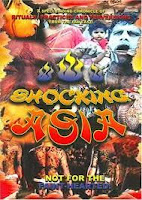
Dr Ratnam, his assistant Dr Lim and several of his then patients were featured in the exploitation documentary Shocking Asia, which included graphic footage of one of their genital operations, along with midget wrestling, Japanese S&M sex clubs, mass piercings in India and cremains being dumped into the Ganges.


First operation on a trans man, in several stages August 1974 to October 1977.

1975

James Eckardt, ex-Peace Corps, and afterwards married to a Thai woman and living in Thailand, had an affair with a Tamil trans woman Milly, until she left him for a Frenchman who promised to support her. Eckardt wrote an account of their affair in an attempt to win her back. 30 years later the Frenchman contacted him after Milly killed herself. Eckardt then, 2007, revised and published the manuscript as Singapore Girl.


1980

The film of Saint Jack had been shot entirely on location in Singapore, including on Bugis Street. They submitted a fake synopsis to the authorities. It was the first film with a gay Singaporean sub-plot complete including full frontal male nudity and the first to have a Singaporean trans woman nude scene. It includes a scene of a transwoman named Bridgit Ang, playing herself, chatting up a table of Western expatriates on Bugis Street.

It was banned in Singapore and Malaysia shortly after release.


“The police started to harass the transgenders, forcing them to migrate to Orchard Road or Geylang. I found this newsspaper report quoting a Delphine Tan about how hard a life it was operating away from Bugis St: ‘We were beaten and abused by some Singaporeans who despised us. And we were always being raided in Orchard Road. At least here, the foreigners are more broadminded and treat us well’. On returning to operate on Bugis Street, Delphine continued: ‘This is our home. It is where all our friends are. This is the only place we can go where we are accepted and appreciated.’ ” (Heng, 2005)

December: French photographer Alain Soldeville was on a two-year trip to Asia and Australia when he arrived in Singapore. After a few days sight-seeing, he headed out one evening to Bugis Street.

"Within an hour, strange androgynous creatures arrived by taxi. Dressed in sexy, tight-fitting dresses or satiny pants, wearing heavy stage makeup and high heels, they took over the territory. The street seemed to belong to them and their dramatic entrance was followed by scrutinizing eyes. It appeared that most visitors were there to watch the show that had just begun.

Photo by Alain Soldeville
I stroked up a conversation with Anita who was of Malaysian background. She was 23 years old, with a clearly outlined masculine face, tall, thin and muscular. She wanted to know where I came from, how long I was going to stay in Singapore. During the following weeks, I became close to Anita and she introduced me to her friends: Amina, Danita, Delphine, Rosa and Susanna. They liked having me photograph them and would strike natural poses.

After five or six weeks in Singapore, short of money, I had to leave for Australia. I would return in 1984 only to learn that Bugis Street was about to be torn down to make way for the subway."

1981

Wu Mingen 吳明恩 from Taiwan was sent to Singapore for surgery with Professor SS Ratnam, as the operation was then still illegal in Taiwan. This with her father's consent.

Amy Tashiana, not getting on with her father and step mother, ran away and was adopted by a group of older transsexuals who prepared her for her transition.

Abigail Chay, with the support of her parents had completion surgery.

1983

The Malaysian government had previously offered gender-affirming surgeries — the only country in Southeast Asia to provide such operations apart from Thailand and Singapore - and contributed funds towards the Mak Nyah Association (the local term for trans women). However in 1983 a fatwa was issued by the Conference of Rulers banning such surgeries and the hospital that undertook it was shut down, marking the beginning of a repressive, anti-LGBT chapter in Malaysia’s history. Teh Yik Koon: “This decline is tied directly to the revival of Islam, which has become increasingly politicized and institutionalized. The competition between rival political groups to be seen as more Islamic to gain support from the Muslim community has resulted in greater discrimination for the transsexual community.”


The film of Privates on Parade, was released.  It was based on the 1977 stage play, set in Singapore and Malaya in 1948 during the “Emergency”, but filmed at Shepperton Studios in England, . Telling mainly of a British entertainment troope - with lots of drag - and their conflict with the authoritarian officers, along with scenes of the the corruption and violence of the civil war.


1985

October: the very end of the old Bugis Street as bulldozers demolished it. The street hawker stalls were cleared and relocated to other areas of Singapore.

Construction began on the Bugis Metro Station.

The trans women who solicited there were told to relocate to the other red light district, Lorong 6 in Geyland. Some kept returning and were arrested and charged.

Bianca who worked Bugis Street said it was not easy to make a living there towards the closing years. Another transgender who worked there called Bianca said where once they could make $300 a night, now "we are lucky to get $50". (Heng 2005)

1987

The Health Ministry asked hospitals to stop doing such operations [trans] on foreigners. It also discouraged them on Singaporeans. It said “the increased danger of Aids with such patients poses unnecessary risk to hospital staff”.

Psychiatrist Tsoi Wing Foo explained that the failure of psychotherapy alone in the treatment of trans women led to the development of modern sex reassignment surgery. He described our technique, its indications, complications and outcome.

1988

Psychiatrist Tsoi Wing Foo carried out a study on the prevalence of transsexualism in the country, and concluded that the prevalence rate for male-to-female (MTF) transsexuals was 1 in 2,900, and female-to-male (FTM) transsexuals, 1 in 8,300.

Tsoi’s dissertation, A psychiatric investigation of transsexualism in Singapore, was accepted at the National University of Singapore.

Amy Tashiana went to Bangkok for completion surgery. It was cheaper there (S$5,000) and no hassle about psychiatric assessment. She became one of the best known trans models in Singapore.

1989

W. F. Tsoi, E. H. Kua and L. P. Kok published Handbook of clinical psychiatry : a guide for medical students and family physicians.

1990


Dr Tsoi’s study of parental influence in a group of Chinese male and female transsexuals compared with a group of male and female heterosexual controls. The fathers of male transsexuals were found to be less caring, and mothers of female transsexuals were less overprotective than the fathers and mothers of the controls. Parental involvement of male transsexuals showed a weak father figure and an overinvolvement with the mother, and in female transsexuals, an unsatisfactory mother-daughter relationship.

Dr Tsoi’s study of 200 trans women and 100 trans men compared with 100 male and 80 female heterosexuals in Singapore. Transsexuals started their psychosexual development earlier than the controls. Transsexual feelings started in childhood. Trans women went through a homosexual phase followed by a transvestite phase, before they became transsexual. Trans men did not go through distinct phases. Cross-dressing was one of the early signs of transsexualism and started earlier in trans men. None of the transsexuals were married, in contrast to reports showing that up to 50% of Western transsexuals had been married

1991

Court case Lim Ying vs Hiok Kian Ming Eric. Lim discovered after marriage that Eric had been born female, and applied for an annulment. Three important points were decided. First, that marriages under the Women's Charter between parties of the same sex are not permitted; secondly, following the English case of Corbett v Corbett, that the determination of sex was to be by use of biological criteria (chromosomal, gonadal, and genital tests), ignoring any operative intervention; and thirdly, that breach of this requirement renders the marriage void ab initio even though it is not one of the grounds listed in the former section 99 of the Women's Charter. As Eric’s birth certificate still said ‘female’ the marriage was ruled null and void.

Did this invalidate all marriages of trans persons?

S. S. Ratnam, Victor H. H. Goh & Tsoi Wing Foo published Cries from Within: Transsexualism, Gender Confusion and Sex Change, the first Asian book on the topic.


The 15-year-old Leona Lo did not know how she was different until she found Cries from Within in the library.

1992

Tsoi Wing Foo published a comparison of 320 trans women and 130 trans men in Singapore. The subjects were given a semistructured psychiatric interview. The results showed that the trans women were slightly younger, had less education and held lower level jobs. Their occupational preferences were reversed. The trans women started petting, sexual intercourse and having partners about one to two years earlier, but they cross-dressed four to seven years later. Both trans women and trans men were homosexually orientated. Other studies showed that late maternal age was associated with homosexuality, but not with transsexualism. These studies also confirmed that transsexualism had its onset in early childhood, and that cross-dressing was an early feature. The Singapore transsexuals went through a "homosexual" and a "transvestite" phase before they became a transsexual. Western transsexuals exhibited both homosexual and heterosexual behaviour, and some were married to the opposite-sex-by-birth partners. Trans women prostitution was reported in many studies.

1993

The new rebuilt Bugis Street re-opened for business. Some of the former street hawkers and non-chain retailers were permitted back. Initially the sale of illegal and pirated goods sprouted, but they were repressed. The Singapore Tourist Promotion Board attempted to recreate the old atmosphere with contrived ‘Ah Kua’ shows on wooden platforms, but it was obviously artificial, the tourists did not go for it, and it was abandoned after a short while.

Boom Boom Room, Singapore’s only drag cabaret nightclub, was established by owner Alan Koh in 1993 at 4 New Bugis Street in Bugis Village. It later relocated on 2 April 2000 to the second floor of the old 2-storey Chui Eng Free School schoolhouse at 130-132 Amoy Street, Far East Square. The star attraction was risqué comedy routines by local drag superstar Kumar aided by his coterie of cross-dressing toyboys.

Leona Lo did her national service as a combat medic.

Dr Tsoi published a follow-up study of 45 trans women and 36 trans men. The subjects were interviewed before and 1 to 8 years following surgery. The trans women had less education and held lower level jobs, started their sexual life about 1-2 years earlier, but they cross-dressed 4-7 years later than the trans men. 35% were married and all of them had no problems adjusting to their new life. The overall results were 56% very good and 44% good. There are no pre-operative variables that can predict good adjustments for trans mens. For trans women, the earlier age of transsexual manifestation was related to good post-operative adjustments. The trans men were less satisfied with the surgery, but they adjusted as well as the trans women. The results were comparable with those from previous studies.

1995

Prof Ratnam retired. The Gender Identity Clinic was taken over by his nephew, Dr. Anandakumar. In 30 years more than 300 sex change operations had been performed, mainly at the Kandang Kerbau Hospital.


The Bugis Street film, directed by Hong Kong director Yonfan, about a cis teenager from Malacca (but played by a Vietnamese actress) who takes a job as a maid in the Sin Sin Hotel ($3 a night) on Bugis Street. She is initially disconcerted to discover that most of the residents are trans women, but comes to support them. While set in the old Bugis Street, it was filmed in the modern redeveloped version. It was given a restricted rating, which impacted sales. There is an associated book.


There is another book, with a different plot, which came out at the same time: Koh Buck Song’s Bugis Street: The novel, set in the last days of the old Bugis Street, which gives a full chapter to Rosie, a trans prostitute, but her life is secondary to a familial heteronormative melodrama, and she dies. The novel was developed into a theatre musical, cast mainly with cis gay men playing the trans women and only one real trans woman.

1996

A new law was passed amending the Women’s Charter:

“(a) the sex of any party to a marriage as stated at the time of the marriage in his or her identity card issued under the National Registration Act shall be prima facie evidence of the sex of the party; and

(b) a person who has undergone a sex re-assignment procedure shall be identified as being of the sex to which the person has been re-assigned. ”

Leona Lo was doing a degree in English literature at York University in England, and flew from there to Bangkok for completion surgery.

1998

A fire erased most of Johore Road where trans sex workers had previously been available.

Abigail Chay had become an actress in Singapore television and film.

2001

Dr Ratnam died age 73. After his death the Gender identity Clinic was quietly closed on the excuse that the gynaecologist in charge, Dr Anandakumar, had left for private practice. The Ministry of Health had been pushing for closure for some years.

2002

Newly declassified UK naval documents revealed that possibly 50% of its sailors in the 1960s gained “same-sex” experience often with the trans women on Bugis Street.

2003

Petitions from the trans community supported by local media resulted in the Clinic re-opening quietly. However by now clinics in Bangkok were taking most of the business, and were cheaper.

Leona Lo published My Sisters, their Stories, Singapore's first pictorial documentary on transsexuals in Singapore and Thailand.

Hidden Genders on Singapore National Geographic TV.

2005

The Boom Boom Room closed. Gold Dust opened six months later for a similar but more upmarket clientel.

“Sense of Being”. Channel U, April 2005. Singapore's first television programme to feature a local transwoman, 38-year-old Amy Tashiana, who talked about her life as a former model and performer at the defunct cabaret club Boom Boom Room.

Tina Lee, 60 year old, who was sexworker for two thirds of her life said that after she was too old and ugly to have any market value, she worked as a dish washer but lost the job when employer found out she was once a transvestite, fearing she had Aids. Remember Aids came on to the Singapore scene in 1984 with the first reported HIV positive case. She then lived in a rented room on her savings. She said: "no matter what they do, the government should realize there will always be places like Bugis Street. They should help us by giving us a place to stay and ICs so that they will know who we are and we are not criminals. We don't want sympathy nor do we want to be ignored. We just want understanding" (Heng, 2005)

At the First International Conference of Asian Queer Studies, 7 – 9 July 2005, held in Bangkok, one of the keynote speakers, Prof Vitit Muntarbhorn, Professor of Law at Chulalongkorn University, mentioned in his address that until now, no country in Asia has permitted the change of sex to be reflected in personal identity documents after sex-change surgery.

Muntarbhorn didn't seem to be aware that Singapore had recorded the change in status since 1973, and recognised marriages of sex-changed persons as well.

2007

Leona Lo published her autobiography.


2008

Marla Bendini’s first multimedia performance, in Pattaya, Thailand.

2009

The first annual Pink Dot Rally for the LGBTQ+ community

2010

The New Paper, 6 Dec 2010, ran an article on aging trans women who had previously lived by sex work on Bugis Street.

Sisters in Solidarity founded by Leana Lo and two others to oppose the anti-trans discrimination in clubs especially in the Clarke Quay area of Singapore.

The Ah kua show, based on Leana Lo's autobiography, Singapore and then the New York International Fringe Festival.

Fanny Ler, after marriage, a daughter and a divorce, transitioned at age 34.

2012

Tiffany’s Cabaret Show from Thailand, finally allowed to appear in Singapore. It had been refused twice in the 1980s because of ‘sensitive content’.

2013

December: the Bugis MRT (metro) station finally opened.


Fanny Ler to marry again - a man this time.

2014

3 Feb-14 Mar: an exhibition eponymously entitled, "Bugis Street", open to the public, was held by French photographer, Alain Soldeville at the gallery of Objectifs - Centre for Photography and Filmmaking, 56A Arab Street.


21 September: Prof. Tsoi was interviewed in his clinic in the Tanglin Road Shopping Centre by four female team members of The Swan Project, a movement that aims to promote understanding and awareness of transgender individuals in Singapore by providing information, telling stories, providing support opportunities, and dismantling misconceptions about transgender people. Tsoi explained: “the incidence [of transsexualism] is quite high you know; I see about 1 or 2 a month. When they accumulate, combine cumulatively, they will end up in very large numbers. Roughly, I will have seen about 1000 each (male-to-female and female-to-male).” He explained that psychosexual and transsexual development occurs in linear phases, starting from the “homosexual” phase, then proceeding to the “transvestite” and cross-dressing phase, and finally, the transsexual phase. However, there has yet to be a cause identified within medical literature.


2015

Marla Bendini’s solo exhibition, "I’m Nervous", was included in the 10th edition of IndigNation, Singapore’s longest running LGBT festival.

2016

RFH, a 33-year-old Singapore national who lived as female in the UK for a decade, was to be deported home where she faced doing national service as a man, but on appeal was allowed to stay in UK.

2017

Lune Loh did her National Service , and after she said that she was trans, she was subjected to bullying and harrassment.

2019

Li Huanwu, nephew of current Prime Minister and grandson of Singapore’s first Prime minister, married his partner in Cape Town.

2020

Andrea Razali was crowned Miss International Queen Singapore and represented her county at the finals in Pattaya, Thailand.

Singapore-born Gina Chua, an executive editor at Reuters transitioned on the job at age 60. more.

2021

Quen Wong produced and directed Some Women about herself from her days as a teenage boy coming out to her supportive family, to getting married at age 46. The film also includes Sanisa/Anita, a former sex worker from Bugis Street, and Lune Loh, a trans youth activist who is lesbian and has opted not to pursue medical interventions.


Ashlee, 18, the Millenia Institute school in Singapore, where teachers were initially supportive of her transition until she was about to begin hormone replacement therapy, was told that she would be expelled if she did not cut her hair and wear the boys’ uniform.

2022

The largely unenforced 1938 Section 377A of the penal code which made same-sex relations a crime, was repealed. At the same time the constitution was altered to reinforce rules against same-sex marriage.

The National Council of Churches of Singapore called on the government to guarantee the freedom of the clergy to preach against queer sex. The Singapore Buddhist Federation said traditional family values have to be preserved. "(But) we cannot force our values onto others or instil our own ideas, especially in the young. Let them have their own choices when they come to a mature age."

Lune Loh is a poet, and, after graduating from the National University of Singapore, is now doing an MA in creative writing at the University of London.

Andrea Razali is working as a para-counsellor, has a corporate job, and is undertaking a masters in psychology, and is the National Director of Miss Equality World, a new international beauty pageant.

2023

Harvey, an autistic Tamil trans woman who was raped in 2014 at the Singapore Institute of Mental Health while detained in a male ward, and no action was taken against the rapist. She attempted to sue the IMH in 2016. However she experienced a PTSD-induced flashback and destroyed a table in the courthouse. In 2023 she is facing criminal charges and may be sent back to to IMH.

Qatrisha Zairyah Bte Kamsi was the first winner of Miss Equality World Singapore, and also Miss International Queen Singapore. Her stepfather did not approve of her transition, so does not know of her marriage or her pageant successes.


12 November 2023

Trans Singapore: Part 1: to the first sex-change operation in 1971

Part 1: to the first sex-change operation in 1971

Part 2: 1972-now

Comments and Mediagraphy


Part 1: to the first sex-change operation in 1971

The Bugis are a people from south Sulawesi (previously Celebes) that traditionally had five social genders: makkunrai and oroané (cis), calabai and calala (trans) and bissu (androgynous or intersex shamans).

In Malaysia the terms ‘pondan’ and ‘bapok’ have been used in the past for trans persons, but are mainly derogatory. Since the 1980s the terms ‘mak nyah’ for trans women and ‘pak nyah’ for trans men are the preferred terms.

Other terms for trans persons used in Singapore - mainly derogatory but some have have been reclaimed - are "ah kua" (Hokkien),"kidi" (Tamil) and "muffadet" (Singlish),

The Bugis were known in the 17th century and afterwards as they spread across south-east Asia as merchant-adventurers. It is not known how many calabai, calala and bissu were involved in this expansion. A Bugis sultanate was set up on the west coast of Malaya in the 18th century.

1819

The British governor Stamford Raffles arranged for the British East India Company to establish a trading post.

The Bugis were major traders in the British trading post.

The aboriginal Orang Kalland were relocated to the northern Singapore Straits at Sungai Pulau.

1820

After being pushed out of Sulawesi by the Dutch, several hundred Bugis settled in Singapore. With their trade networks, they were welcomed by the British rulers. They were alloted an area south of the Rochor River, which came to be known as Bugis Town.

1824

A further treaty with the Sultan led to the entire island becoming a British possession.

1826

Singapore became part of the Straits Settlements, then under the jurisdiction of British India.

1836

Singapore became the regional capital.

1848

The aboriginal Orang Kalland were wiped out by a smallpox epidemic.

1867

The Straits Settlements were separated from British India, coming under the direct control of Britain.

1870s

By this time, with changes in the maritime trade, most of the Bugis had moved elsewhere, and immigrants from India and China were arriving. The British authorities authorised brothels in the Bugis Street area, and Chinese and Japanese women were brought in to work in them. The nearby Malay Street became the place where cis female street-walking prostitutes were found.

1915

The Singapore Mutiny by Muslim sepoys from British India, who were garrisoned in Singapore. After hearing rumours that they were to be sent to fight the Ottoman Empire, a Muslim state, the soldiers rebelled, killing their officers and several British civilians.

1921-38

The British built the large Singapore Naval Base as part of the defensive Singapore strategy. Originally announced in 1921, the construction of the base proceeded at a slow pace until the Japanese invasion of Manchuria in 1931. Costing £15 million and not fully completed in 1938, it was nonetheless the largest dry dock in the world, the third-largest floating dock, and had enough fuel tanks to support the entire British navy for six months. The base was defended by heavy 15-inch (380 mm) naval guns, as well as a Royal Air Force airfield at Tengah Air Base. Winston Churchill touted it as the "Gibraltar of the East".

The Bugis Street area further developed as the red light district, until the late 1930s when the authorities attempted to eliminate sexual soliciting.

1930

Noel Coward, on a round-the-world trip, visited Singapore and commented of Bugis Street:

“ubiquitous whores, none of whom were young or even remotely attractive”.

And thus it was in his 1964 book.

1938

Section 377a - an addition to the Singapore Penal Code introduced by the colonial government which criminalised sex between consenting adult males. It was not repealed until 2022, when it had been de facto unenforced for decades.

1941

7-8th December: Japanese forces attacked Thailand, Dutch East Indies, the UK colonies of Hong Kong, Singapore and Malaya, and the US colonies of the Philippines and Hawai’i.

1942

The 60,000 British empire forces in Singapore and Malaya finally surrendered to the Japanese 15 February 1942, what Churchill called "the worst disaster and largest capitulation in British history". Most UK and Australian troops, and later Dutch civilians, were imprisoned in the Selarang Barracks, near to Changi, an existing prison at the east end of Singapore. The Barracks also became referred to as Changi. 850 died in captivity, others were transported to work as forced labour in Japan or on the Thai-Burma railway (which included a bridge over the river Kwai).

Among the inmates were Bobby Spong and James Clavell, the future novelist.

Morale was inevitably bad, and the officers encouraged sports and theatricals. One of the first were The Mumming Bees concert parties, and it was at these that Bobbie Spong, who had already made somewhat of a name as a performer, first became well-known. Bobbie impersonated comedienne Beatrice Lillie, film star Marlene Dietrich and female impersonator Douglas Byng. From there Spong branched out into comedy sketches and revues, almost always in female parts. Even the Japanese and Korean guards came to watch. One night her appearance was greeted by a roar of applause that was heard across the island. Somehow Spong had managed to bring into the prison camp a full set of female clothing including corsets, and was allowed to grow his hair to a feminine length. Bobbie often stayed in role offstage. In particular she would tour the hospital wards and sing for those too sick to attend the performances. She was so convincing that when she sat on a patient’s bed they would blush and attempt to cover their nakedness.

1943

Late in 1943 when Private Spong returned to the Chungkai camp in Thailand from a work-camp up the line, and converted to Bobbie for a show, she was so convincing that the Japanese officers stopped the show and demanded proof of her manhood. Both Japanese and Korean guards often asked Bobbie to give a private performance in their quarters. This she did, graciously accepting fruit and cigarettes, and then would quickly flee back to her own quarters.

Christmas Day: Bobbie - in a light green and orange frock and hat - was in the hospital to give out cigarettes. Later that day she was at the mock horse races where everybody dressed up the best that they could. She kissed the winners of the races. The day ended with Bobbie under a large tree singing from the Douglas Byng repertoire.

1944

29 April: the Changi theatrical shows were cancelled because the Japanese had taken all the theatrical paraphernalia for the celebration of the Emperor’s birthday. Bobbie was part of a burlesque football match that was hastily arranged instead.

mid-May: Bobbie’s final appearance was in mid-May 1944 at Chungkai camp. Spong then shocked everyone by volunteering for a work detail in Japan because her best friend had been drafted for it. Departure was 8 June. By then Spong had had his hair cut, but managed to pack twenty frocks in his rucksack. 1300 POWs were crammed into an unmarked transport ship. The ship was spotted, torpedoed and sunk by a US submarine - very few survived.

1945

15 August: British military forces returned after the Japanese surrender.

1946

1 April: . British Military Administration ended on 1 April 1946, and Singapore became a separate Crown Colony

1948-1960

“The Mayalan Emergency”. The violent suppression of the Communist-led independence movement, using Agent Orange, concentration camps, forced relocations and slaughter of unarmed villagers.

The British Army all-male Combined Services Entertainment division (which put on drag performances) included Peter Nichols, John Schlesinger, Kenneth Williams and Stanley Baxter - who later became famous in British film, theatre and television. Nichols later wrote up the experience as a play, later film, Privates on Parade (see 1983.)

1954

The 1954 National Service riots, Hock Lee bus riots, and Chinese middle schools riots in Singapore were linked to the ongoing “Malayan Emergency”.

1950s

Street hawkers selling cooked food and other sundries came to Bugis Street. Tables with white tableclothes were placed in the street. This became an entertainment area for British troops, and later - as the war in Vietnam developed - US forces also. There were some conflicts between the cis and the trans sex workers - the latter now starting to arrive. The trans women were almost all non-op in that it was far too expensive for Singaporeans to fly to Casablanca or Europe for the new gender operations.

Increasing numbers of Western tourists came for the booze, the food, the shopping and the "girls". Bugis Street became one of the most famous areas of Singapore for tourists. Western men persuaded themselves that they could tell the ‘real’ females in that they were not the gorgeous ones.

Writing in 2005, Russell Heng recollected what Bugis Street had been like:

If you want a mental picture of the old Bugis picture, imagined old shop houses before they were made pretty like they are today. In the evening, the street is closed to traffic and zhi cha stalls set up rows of table. Usually at around 9 pm, the first of the transgenders would arrive but you have to wait till at least 11 pm for the party to start warming up. The transgenders would move among the tables. If you strike up a conversation, they would sit down and chat. You can offer to buy drinks, which were not cheap with Coca Cola sold at $10 a bottle. Yes, t was a time when soft drinks were sold in bottles not cans. The exorbitant $10 was like a cover charge to see a show. However I cannot be certain if there was ever an arrangement for the drink stalls to pay a commission to the transgenders if they get tourists to buy the over-priced drinks. On a busy night, you can have as many as 40 transgenders. I also remember some interesting characters like the little girl who went round challenging tourists to play noughts and crosses for either 10 or 20 cents. She never lost a game.


1956

Singapore granted full internal self-government for all matters except defence and foreign affairs.

1959

Dr Shan Ratnam trained at Singapore General Hospital.


1962

The earliest published account of the trans women on Bugis Street and the tourists who came to gawp was Eastern Windows by F D Ommaney, an officer in the Research branch of the Colonial Service. He gave nine pages to Bugis Street, and in particular:

And now here comes Maisie, tall and graceful too, but perhaps a trifle over-slim and flat-chested. She wears a smart, black, sheath-like cheong-sam with little jet beads sewn in patterns. They shimmer as she walks . . . But there is something not quite right about her feet. They are a shade too large. I will tell you a secret about Maisie. No one is supposed to know it, but it is surprising how many do. She is not a girl at all. She is a boy. Sometimes clients have been known to make quite a scene when they discover their mistake, and Maisie has sometimes had to stay away from Bugis Street for a day or two nursing a black eye. But not for long. Nothing daunted, she will be back again in a day or two with a new cheong-sam and some new ear-rings. (p44)

James Clavell’s novel, King Rat, set in the Changi POW camp, features a character, Sean Jennison, who was selected to play female parts in camp theatricals, was at first reluctant, but then embraced the parts, and lived as female off stage. After the camp was liberated she could not cope and drowned herself in the sea.


1963

After a referendum on a proposed merger with Malaysia which included a choice of different terms for the merger and had no option for avoiding merger altogether, Singapore became part of Malaysia.

Shan Ratnam began teaching at the University of Singapore. He then did post-graduate medical studies in London.

Shonna, 16, worked as a sales girl, and frequented the trans scene on Bugis Street.

1964

Race riots in Singapore involved a series of communal race-based civil disturbances between the Malays and Chinese in Singapore.

Shan Ratnam became Professor and Head of the Department of Obstetrics and Gynaecology at the University of Singapore.

Shonna’s father died. She worked as a housemaid for a European man, and had an affair with him. Subsequently she worked in a bank and then in public relations for a hotel.

Noel Coward published Pretty Polly Barlow and other stories, about a young woman who arrives in Singapore with her strict aunt, who conveniently dies leaving Polly to explore her sexuality. Bugis Street is mentioned as a place to visit, but seems to be the Bugis Street that Coward had seen in the 1920s and 1930s, with no mention of trans women.

1965

The Singapore and central Malaysian governments disagreed on many issues. Talks soon broke down, and abusive speeches and writing became rife on both sides.

7 August: the Malaysian government, with the agreement of the Singapore government advised the Parliament of Malaysia that it should vote to expel Singapore.

9 August: Malaysian Parliament voted 126 to 0 to move a bill to amend the constitution, expelling Singapore from Malaysia, which left Singapore as a newly independent country.

King Rat - although set in the Changi POW camp - was filmed in California. The episodes of Sean Jennison acting and then living as female were in the script from the beginning, but at a late stage, Columbia Pictures executives finally realized that they were present, and Sean was completely removed from the film.

1966

Shonna came second in the Miss Singapore Beauty Contest, which led to modelling work.

1967

National service was implemented requiring all 18-year old males to train full-time for two or two-and-a-half years, depending on their educational attainment. Transgender was listed as a condition in a Singapore Armed Forces (SAF) 'Directory of Diseases' and recruits who outed themselves to the examining doctors had their 'deployability' denied in sensitive positions. They were assigned only clerical work at army bases.

The film A Matter of Innocence, based on Noel Coward’s Pretty Polly Barlow, was filmed in Singapore, about a young woman (Haley Mills) travelling with a stern aunt who becomes free to explore her sexuality after the aunt’s death. Includes some scenes in the actual Bugis Street of the late 1960s, unlike the straight version depicted in Coward’s story.

1968

Shonna started a cabaret act using the name Mama Chan. However she twice attempted suicide by taking sleeping pills.

1969

Ratnam was pestered by Shonna who was desirous to have sex change surgery. He became intrigued by the possibility, read the literature and finally practised the operation on two cadavers in the mortuary. He had Shonna evaluated by a team of psychiatrists who confirmed that she was indeed transsexual. Legal clearance was sought from the ministry of health and granted.

A secret report for the British Navy after an internal investigation concluded that of gay sailors and officers in the late 1960s "at least 50% of the fleet have sinned homosexually at some time in their naval service life”.

“Service chiefs agonised over the practice of sailors visiting the catamites of Bugis Street. The file says many sailors visited the area ‘for kicks’, got drunk and ‘end up sleeping with male prostitutes known as catamites’ who dressed up convincingly as females.”

This report was not declassified until 2002.

1971

Surgery on Shonna was finally performed by Dr Shan Ratnam 30 July 1971 at the Kandang Kerbau Hospital 竹脚妇幼医院. This was the first such operation in Asia.

Dr Ratnam


A Gender Identity Clinic was set up headed by Prof Ratnam, who ran it until his retirement in 1995. The psychological evaluations were done by Singapore's chief academic psychiatrist Prof Tsoi Wing Foo.

26 June 2023

Trans New York 1963-1965

  See also:

Trans New York 1961-1962

The four years leading to Stonewall – a New York timeline

The five years following Stonewall - a New York timeline

The Gilded Grape

The GG Knickerbocker P T Barnum Room


1963

Reed Erickson became a Benjamin patient and almost completed transition. He then founded the Erickson Educational Foundation (EEF), financed entirely by himself.

Through his foundation Erickson agreed to finance the newly created Harry Benjamin Foundation (HBF) for three years at a minimum of $1,500 a month. The money from Erickson enabled a move to a larger office at 86th St and Park Avenue. The foundation sought to enhance Benjamin’s professional status. Robert Stoller at the University of California Los Angeles (UCLA) had disparaged Benjamin in that he was not psychiatrically trained, and did not publish in the most reputable journals. Stoller politely declined to serve on the Foundation’s advisory board. Nevertheless Benjamin was able to use the Foundation to enhance his working relationship with other doctors and researchers in the field.

Leo Wollman also worked from the new office. He started running a group session the first Sunday of every month, near his other office at Coney Island where transsexuals could meet and exchange ideas and experiences. He also used hypnosis to determine whether a transsexual was authentic.

Meetings of the foundation were held in the office, mainly on Saturday evenings. The members conducted psychological, endocrinological and neurological tests on transsexual patients, and interviewed them before and after surgery, looking to prove or disprove any genetic, hormonal or neurological basis for the condition.

----

Susanna and Marie sold their resort property as it was unprofitable.

August: Patricia Morgan was arrested on East 57th Street for wearing shorts that were too short. She replied to the judge: ““My shorts weren’t too short. It’s just that my legs are too long!”, and the case was dismissed.

After graduating High School in Elizabeth, New Jersey, Marsha P Johnson left home for Manhattan with $15 and a bag of clothes.

Donald Wollheim, being a professional writer and editor, began to consider putting his feelings and experiences of the past year onto paper, especially as the near mental-breakdown of the year before had passed as he had accepted what he really was, and something like normality had been recovered. He returned to Los Angeles, and met Virginia Prince again. However he also socialized with other transvestites who were by then ostracized by Prince.

Vicky West, after two years in Los Angeles as an engineer, and as a participant in Virginia Prince's Hose and Heel Club, returned to New York, and studied Fine Arts and Graphic Design at Cooper Union.

Siobhan Fredericks published Turnabout irregularly from 1963-7. Donald Wollheim was involved, and usually wrote as ‘D Rhodes’. This was in competition to Virginia Prince's Transvestia, and attracted crossdressers who were critical of Virginia Prince, her ideas and her list of femme* words. It was also more open to transsexuality and to activities that Prince regarded as fetishistic. In contrast to Transvestia, Turnabout did not feature autobiographies, especially those that catalogued the writer's wardrobe and measurements. Harry Benjamin described Turnabout as the "more objective approach". Renée Richards later described it as "a poor thing, on newsprint as I recall". Benjamin referred Richards and other clients to the support group held in Siobhan's home.

Benjamin was invited by Dr Robert Hotchkiss, the urologist, to read a paper at New York's Bellevue Hospital. He also read a paper at the Society for the Scientific Study of Sex (of which he was a charter member).

Female Mimics, the glossy magazine for transvestites was launched. Performer Kim August was on the cover. The emphasis was mainly about female impersonators, sometimes ignoring that she had completed transition. An article about Christine Jorgensen, “A Real Woman” was included, but the article on Bambi (who had completion surgery in 1960) is called “French Fooler: Bambi” and uses male pronouns. The second issue featured Coccinelle (both completed surgery and taken a husband) referred to as “France’s Most Fabulous She-Male”, the article being a summary of Carlson Wade’s biography, uses male pronouns and gives only her male name, The third included “How I Changed my Sex” by Patricia Morgan.

The future Bunny Eisenhower/Barbara de Lamere completed military service and lived with his male lover in New York.

Cross-dresser and artist George Maciunas returned to New York and set up the Fluxus art movement, including a shop on Canal Street.

Jack Smith filmed Flaming Creatures, an underground film of an extended party on the roof of the Windsor cinema in New York's Lower East Side with lots of drag and nudity. Francis Francine had been intended as the star of Flaming Creatures, 1962, but disappeared partway through filming, leaving Mario Montez as a replacement. The film became famous when New York City police seized the print at the premier. The film was ruled to be in violation of New York's obscenity laws. Jonas Mekas and Susan Sontag mounted a critical defense of Flaming Creatures, and it became a cause célèbre for the underground film movement.

  • Harry Benjamin. “Clinical Aspects of Transsexualism in the Male and Female”. Read before the 6th annual conference of the Society for the Scientific Study of Sex, November 2, 1963, and published American Journal of Psychotherapy, 18,3, 1964.
  • Patricia Ann Morgan. "How I Changed My Sex". Female Mimics, 1,3, 1963. Online.
  • Jack Smith (dir). Flaming Creatures, with Frances Francine, Mario Montez (as Dolores Flores). US 42 mins 1963.
  • Avery Willard (dir) Variety, with Minette. US ? mins 1963.
  • Avery Willard (dir) If Ads Were True, with Minette. US ? mins 1963.
  • Edward Sagarin writing as Donald Webster Cory with John P. LeRoy. The Homosexual and His Society; A View from Within. New York: Citadel Press, 1963. Cory and LeRoy (a sex partner whom he helped out financially) claimed that there is no such thing as a 'well-adjusted homosexual', and also discussed hustlers, but challenged the then common assumption that homosexuals were security risks.
  • Carlson Wade. She-male: the amazing true-life story of Coccinelle. Epic, 1963.
  • Turnabout, no 1. June 1963. With contributions by Fred Shaw, Siobhan Fredericks, D Rhodes, Quiven Enright. Susanna Valenti listed as Associate Editor.
  • Turnabout, no 2, October 1963. With contributions by Fred Shaw, Quiven Enright. D Rhodes and a summary of Harry Benjamin’s “Clinical Aspects of Transsexualism in the Male and Female”, and photographs of Sonne Teal in La Poupée.
  • Female Mimics no 1, no 2, no 3.

1964

A 17-year-old transsexual referred to as G.L. who had been convicted of stealing women’s clothing and $800 worth of wigs was ordered by the Supreme Bench of Baltimore City to have sex reassignment surgery at Johns Hopkins. Her probation officer delivered her to the Johns Hopkins Women’s Clinic where Howard Jones was to do the surgery. However the psychiatry department intervened at the last moment, and had G.L. referred to them for therapy instead.

John Money introduced Richard Green to Harry Benjamin in 1964, and for two years he saw patients in Benjamin's New York office and wrote letters for them so that they could obtain surgery in Europe.

April: Benjamin gave a talk at the Albert Einstein College of Medicine.

Benjamin met monthly with John Money and Richard Green and the idea was raised of applying the kind of surgery being done on intersex patients to transsexuals as well. Money took three post-operative patients of Harry Benjamin to meet his colleagues at Johns Hopkins. As the Gender Identity Clinic there began to coalesce, it was integrated into the work of the Foundation, which provided them with patient referrals. Reed Erickson’s EEF donated $85,000 to the Gender Identity Clinic over a few years, and Reed became quite friendly with John Money. He went to Johns Hopkins for a double mastectomy repair in 1965.

The Harry Benjamin Foundation similarly endorsed the gender clinic at Stanford University. 

The Minnesota Medical School in Minneapolis was considering opening a gender identity clinic led by Donald Hastings. Two members went to New York, met with the HBF and were able to examine patients of Benjamin and Wollman who had had surgery abroad. Their surgeon, John Blum, went to Johns Hopkins to observe transgender surgery.

----

British journalist James Morris was in New York and visited Harry Benjamin, who advised him that a change of body must be a last resort, and that he should try working life as a man. He procrastined another eight years

The future Renée Richards, then still in the US Navy, also came to Dr Benjamin, but procrastinated another decade before finally transitioning.

Susanna Valanti and Marie bought a replacement 150 acre property with a large house, close to Hunter, New York. This became Casa Susanna, and like the Chevalier D’Eon Resort was frequented by the transvestite crowd. Susanna and her guests would go, dressed, to drive-in movies and to friendly neighbours. Some transvestite visitors even went into the village of Hunter for shopping, where, if nothing else, they were noted for being overdressed.

Susanna wanted to make movies.  Andrea Malick, a professional photographer as well as a visitor to Casa Susanna, stepped up with a professional 16mm camera. Two films were shot in the same weekend in Marie’s wig store in New York. David/Gail Wilde, one of the richer members, had previously bought Andrea an expensive Roleiflex camera (which cost over $1,000) with the request that Andrea learn how to process color film. Gail also requested a copy of each photograph taken. Gail collected them in expensive albums.

Donald Wollheim/Darrell Raynor became a regular at Casa Susanna and used the name Donna or Doris. He did not drive and so wife Elsie chauffeured him. The daughter Betsy was sent to summer camp for two months every year for 8 years to avoid awkward questions. In 1964 he announced that he was going out for Halloween as his sister, and spent five hours in the bathroom getting ready – even at age 12 Betsy realized that this was odd.

14-year-old Kim Christy was going out in semi-drag, and took up with the young Billy Schumacher (later to become International Chrysis). They were photographed fooling around outside the Astor in Manhattan when Elizabeth Taylor and Richard Burton were staying there, and the picture appeared in a Life Magazine article on teenage delinquents.

Holly Woodlawn was briefly employed as an in-house model at Saks Fifth Avenue.


The short-lived Lavender & Lace magazine for transvestites came out – it had a much greater racial diversity than Transvestia.

March: Felicity Chandelle, an airline pilot recently widowed, was arrested in New York near her home by an officer of the West 128th Precinct for a violation of Section 887, Subdivision 7 of the New York Code of Criminal Procedure which designates as a vagrant any person who 'having his face painted, discolored, covered, or concealed, or being otherwise disguised in a manner calculated to prevent his being identified, appears on a road, lot, wood, or enclosure'. The law dates back to the 1840s when farmers were disguising as 'Indians' to harass Dutch landowners in the Anti-Rent Movement. Despite having no criminal intent John Miller was sentenced to two days, suspended. This resulted in losing her job with Eastern Airlines after 25 years, because such behavior ‘signaled homosexuality’, even though an Eastern Airlines manager actually phoned Harry Benjamin and was reassured that the conviction in no way impacted on Miller's competence as a pilot. Virginia Prince and Siobhan Fredericks worked together and championed her case, raising over $1,200 to finance an appeal. The American Civil Liberties Union filed a brief as amicus curiae, and the New York Times carried a sympathetic story. The appeal hearing was denied, by the New York appeal court and by the US Supreme Court.

Leonard Wheeler published Sex Life of a Transvestite. He revealed Connie, his female self as an erotic transvestite who was also into bondage, with cruel sadistic fantasies about women. He does state that his bondages and his attitudes to women are separate from his crossdressing, and that he is hardly typical of transvestites. His thoughts were written up by Jack Jardine (1931 - 2009), a lesser science fiction writer using one of his aliases. Using the same alias he had published Girls on Sin Street, about prostitution, the year before. The book contained an introduction by Albert Ellis (1913 – 2007), an associate of Alfred Kinsey, who had published Sex Without Guilt in 1958, and was then writing Homosexuality, Its Causes and Cures which would be published in 1965. He later became the father of Cognitive Behavioural Therapy (CBT), and was known for his liberal use of swear words.

  • Harry Benjamin. “Transvestism and Transsexualism in the Male and Female”. Presented at the Albert Einstein College of Medicine on April 13, 1964.
  • Harry Benjamin. "Nature and Management of Transsexualism, with a Report on 31 Operated Cases", Western Journal of Surgery, Obstetrics and Gynecology, 72, 1964.
  • Harry Benjamin & R E L Masters. Prostitution and Morality: a definitive report on the prostitute in contemporary society and an analysis of the causes and effects of the suppression of prostitution. Julian Press, 1964. Review. In this book, unlike The Transsexual Phenomenon, two years later, androphilic transvestites are acknowledged.
  • Benito B. Rish. 1964. "Profile-Plasty. Report on Plastic Chin Implants". The Laryngoscope. 74, 1, 1964: 144-154.
  • Hugo Beigel. “The Myth of the Latent Femininity in the Male”. Turnabout. He dismissed the idea that a male-bodied person could have a feminine soul. Susanna replied in Transvestia that Beigel was taking the girl-within over-literally rather than as a metaphor. The metaphor of the girl-within, she maintained, was simply an uncomplicated way of expressing these various motivations and urges that make up a transvestite’s second personality, the feminine self that had to be kept hidden in public settings out of fear of social disapproval. She also countered his claim that transvestism is an acquired condition.
  • Leonard Wheeler, as told to Jack Jardine writing as Larry Maddock, with an introduction by Albert Ellis. Sex life of a Transvestite. K. D. S. Publ. Co 1964.
  • Carlson Wade. The Twilight Sex. S. Publications, 1964.
  • Carlson Wade. "Men in Skirts". Female Mimics, 1,4, 1964. 
  • Queens in Drag: Female Impersonators … on Parade. S-K Books 1964. Photo essay of the 'Art Students' Ball' held in Manhattan each year under the auspices of the Art Students' League of New York.
  • Female Mimics, no 4.

1965

Siobhan Fredericks participated in a panel discussion on New York's listener-sponsored station, WBAI- FM, with Dr. Wardell Pomeroy, co-author of the Kinsey reports.

The teenage Harvey Fierstein was attending the 82 Club. Angie Stardust was the first black star at the club, until she was fired for taking female hormones. One of the owners said to her: "Girls like you are going to be the death of this business". 

Dario Modon graduated from the New York School of Visual Arts in 1965, and started doing drag at Halloween. He advanced to the drag balls and private parties. He was 6’2” (1.88m) and specialized in a simple black dress.

Chris Moore, ex-army and merchant navy, took up female impersonation, and appeared with Frank Bennet in the Follies Mantisque. This led to work with the Jewel Box Revue, at first doing a comedy strip. However it was discovered that he could impersonate Ethel Merman rather well, and he started singing songs from Gypsy. He then added Marlene Dietriche and Bette Davis to his repertoire. He used a special heavy makeup to hide the tattoo on his upper arm. He was also partially blind and required thick glasses.

Kim Christy and Chrysis each left home and shared a tiny apartment in the area that later became New York's SoHo. They met sex magazine pioneer and editor of Exotique magazine, Lenny Burtman who arranged photo-shoots and other favors. Kim had a boyfriend who worked with her to soften her Bronx accent. She got to know New York female impersonators such as Tammy Novak, and performed at Club 82 as a stripper and as a showgirl. Her song was the theme music from A Man and a WomanShe toured North America as a female impersonator.

The State Liquor Authority decided to revoke the Peppermint liquor licence. This was upheld in the state Supreme Court. The club closed in December.

Edward Sagarin was increasingly at odds with the new activists in the Mattachine Society including LeRoy who were advocating for civil rights and liberation for homosexuals. In 1965, after a bitter fight for control, Sagarin quit the Mattachine Society. The conflict, expressed with some bitterness, appears in his PhD thesis, Structure and ideology in an association of deviants, that he submitted in 1966.

Reed Erickson hired Zelda Suplee to run his Erickson Educational Foundation (EEF). From her office in New York she and lesbian feminist activist Phyllis Saperstein (they had met in a nudist camp) managed the daily operations, and the contacts with transsexuals who asked for help. Erickson made the final decisions about who and what he funded, but spent much of his time in Baton Rouge, and then Mexico, with his family.

Howard and Georgeanna Jones with Edmund Novak wrote a textbook of gynecology which went through several editions and in its time outsold all other such textbooks combined.

  • Ira B Pauly. "Male Psychosexual Inversion: Transsexualism. A Review of 100 Cases". Archives of General Psychology, 13, 1965:172-181.
  • James Mills. "The Detective: a good cop fights for law but the deck is stacked against him". Life, 3 Dec 1965: 90d-123. Online. Contains the photograph of Chrysis and Kim outside the Astor.
  • Andy Warhol & Ronald Tavel (dir). Screen test Number 2. Scr: Ronald Tavel, with Mario Montez and Salvador Dali, Dennis Hopper and Lou Reed. US 4 mins 1965. Montez is confronted about his gender and admits that he is a man, but he does so, he says, only because he is a woman.
  • John Oliven Sexual Hygiene and Pathology, revised 2nd edition, Lippincott,1965 (a year before Benjamin’s Transsexual Phenomenon) where he wrote: “The term [transsexualism] is misleading; actually, “transgenderism” is what is meant, because sexuality is not a major factor …”.
  • Edmund R. Novak, Georgeanna Seegar Jones, and Howard Wilbur Jones. Textbook of Gynecology. Williams & Wilkins Co, 1965.
  • Siobhan Fredericks. The Best of Both Worlds: A Novel of Transvestism. Abbé de Choisy Press, 1965.
  • Abby Sinclair, George Griffith, Carlson Wade & Latina Seville. I Was Male. Novel Books. 95 pp 1965.
  • Antony James. Abnormal World of Transvestites & Sex Changes. New York: L. S. Publications 192 pp1965. Chapters on history, operations, prisons, married tv's, lesbian tv's, tv prostitutes, S&M among tv's and more. James also published America’s Homosexual Underground, in the same year.
  • Female Mimics, no 5, no 6, no 7.

24 June 2023

Trans New York 1960-1962.

 See also:

Trans New York 1963-1965

The four years leading to Stonewall – a New York timeline

The five years following Stonewall - a New York timeline

The Gilded Grape

The GG Knickerbocker P T Barnum Room

1960

Gynecologists Howard and Georgeanne Jones left their private practice to become full-time faculty at Johns Hopkins Psychohormonal Research Unit. Howard started doing ‘corrective’ surgery on intersex infants.

Female impersonator Libby Reynolds was working in mufti as a bartender at Main Street Lounge in Greenwich Village when actor Raymond Burr (1917 - 1993), who played Perry Mason on television, came in and they spent the night together. Reynolds sold the story to Confidential magazine, and the story now was that Burr had innocently picked up Libby and never realized that she was a ‘man’. The story included a composite photo of Burr and Libby en femme.

Nan Gilbert, author of forced femininity fiction and who had been active among transvestites at an earlier date, had his mail stopped and was fined $500. Donald Wollheim contacted Gilbert, and they corresponded for some time.

Patricia Morgan became a patient of Harry Benjamin, started taking estrogen, and began living full-time as female. She was saving seriously for the $5,000 plus expenses for the operation. She was arrested as a female prostitute, got through the strip search without being read, and declared herself as a ‘boy’ only in court. She was released in that the prostitution law applied only to women.

New Yorker, Susanna Valenti started her “Susanna Says” column in Transvestia.

David Wilde separated from his wife and moved to an apartment on the East Side of Manhattan. As Gail he subscribed to Transvestia, and became a New York contact for the Foundation for Full Personality Expression, (FPE). Those who knew both David and Gail found Gail to be less abrasive, but both personae were negative about gays and transsexuals.

Felicity Chandelle first met other cross-dressers through the Transvestia contact ads. Then she took up the practice enthusiastically.

  • Edward Podolsky and Carlson Wade. Transvestism Today; The Phenomena of Men Who Dress As Women. Epic Pub. Co, 1960. Online at Queer Music Heritage.
  • Edward Podolsky and Carlson Wade. Erotic Symbolism; A Study of Fetichism in Relation to Sex. Epic Pub. Co, 1960.

1961

Ira B Pauly was doing a psychiatric residency at Cornell Medical Center in New York. He was called to urology to counsel a trans man who was in for a hysterectomy. He attempted research in the hospital library but found material on transsexualism only in French and German. He had patients who were willing to do longhand translations for him. He then discovered a paper by David Cauldwell.

“And then there was a brief article by someone named Harry Benjamin. And in those days, it was in a somewhat obscure journal. I don’t quite remember which journal it was. But it had his address. And it was an address that was about five blocks away from the hospital that I was working at. So, I looked up his name in the phone book and told him that I was a psychiatry resident, and I had a little experience with a transgender, transsexual patient. And was there any way I could come over and talk to him, because I had read—he was an endocrinologist. And a lot of these folks, the first step in the physical transition is taking the contrary hormone.” 

For much of that year, he attended Benjamin's Wednesday afternoon clinic.

 “So every Wednesday afternoon, through the generosity and mentorship of Harry Benjamin, I was able to see probably more transsexual patients than any psychiatrist in North America. … As I got to know the patients, they uniformly described being happier into the gender role that they felt they were in from the very beginning. And that the only thing that needed to be done as far as treatment was concerned was to get the body on board with the gender of their choice.“ 

Pauly set out to aggregate 100 cases from the literature and from among Benjamin’s patients.


Patricia Morgan, with arrangements made through Harry Benjamin, flew to Los Angeles in November 1961 for surgery with Dr Elmer Belt. While waiting for a hospital bed, she was in a car crash with a drunken john. She sued the john, a movie producer, to cover her medical bills, and they settled out of court. After four months in Los Angeles, Pat had a penectomy and her testicles implanted in her abdomen. Two months after that she had a vaginoplasty. Afterwards she was in pain, very weak and her money had run out.

Vito Russo, the future gay film historian, was 15 and his parents bought a house in Lodi, New Jersey – to his chagrin. However, he soon found the local queer scenes:

“Vito’s first drag-queen contemporary was a fellow student …. Standing six feet two inches [1.89 m] under a bleached-blond man, Billy knew how to make a striking entrance – particularly when bombing around Lodi in his pink Cadillac convertible. Contact with Billy meant automatic social ostracism. … Billy invited Vito to a New Year’s Eve party held at the home of ‘the most outrageous drag queen in Bergen County’. …

Billy’s friends were working-class drag queens from Lodi and the nearby towns…. Like Billy, these men were wildly out of the closet, almost unwittingly so: they were ‘identifiable on the street whether they liked it or not. They couldn’t hide it even it they tried’. From them, Vito got his first lessons in gay survival. He listened attentively to their tutorials on ‘how to take care of himself on the street and be funny and get out of a raid and go through a window in a bathroom and all that stuff you had to know in the ‘60s’. …

Another favorite haunt was Danny’s in Fort Lee, where the group went to see ‘Bella from the Bronx’, a drag queen whose act consisted of traditional Italian families’ reactions to the revelations of their gay children. … He was also enamored of the headliner at Fran Bell’s in Nyack, New York. Fran herself … donned a tuxedo and top hat and crooned ‘Just a Gigolo’ à la Dietrich. Then there were the drag balls at Newark’s Robert Treat Hotel.”

Susanna Valenti’s male persona, Tito, was summoned by postal officials. Two of her correspondents had been charged with mailing obscene materials, and Susanna’s name had come up. Tito pleaded respectability and denounced the obscenities.

The future Vicky West, after army service, returned to Cornell and completed an engineering degree.

Virginia Prince flew into New York on her way to that year’s Halloween Weekend at Susanna Valenti's Chevalier D’Eon Resort in upstate New York. While in New York City,

“I was chauffeured over to Dr. Benjamin's office for a nice but too brief visit and dinner with him. Those of you who have never met Dr. Benjamin have missed a real treat. People of our persuasion have no better professional friend.”

Donald Wollheim, science fiction editor, was building to a nervous break-down from not expressing his cross-dreaming.

  • Greg Garrison (dir) Hey, Lets Twist, with Joey Dee and the StarlightersUS BW mono 79 mins 1961. IMDBWikipedia. A fictionalized story of the Peppermint Lounge, partially filmed there.
  • Avery Willard (dir) The Last of the Worthington, with Minette. US ? mins 1961.
  • Avery Willard (dir) Magic Music Hall, with Minette. US ? mins 1961.

1962

Ira B Pauly obtained a position at the University of Oregon Medical School.

John Money became head of the Psychohormonal Research Unit at Johns Hopkins University Hospital when Lawson Wilkins retired. 

Holly Woodlawn, 16-years-old, hitch-hiking, arrived in New York. She found work as a saleswoman at Saks 5th Avenue.

11-year-old Sylvia Rivera discovered 42nd Street where he had heard that the maricónes were to be found. However a neighbour spotted Sylvia, which led to a row with grandmother, a suicide attempt and two months in Bellevue Hospital.

January: New York science fiction editor Donald Wollheim, discovered a copy of Transvestia, and a copy of Justice Weekly, in a store on 42nd St.

March: Donald Wollheim was in Los Angeles on business. He, having previously corresponded, met first Virginia Prince in his hotel room, and then was invited to dinner with Virginia and wife Doreen. After an interesting evening, it was suggested that in New York Darrell should contact Gail and Susanna who were listed in Transvestia. He also bought the complete back file of Transvestia.

Back home, the first task was to tell Mrs Wollheim. This was done in stages and accomplished after 10 days, and a few days after that they went shopping together on 5th Avenue for feminine nightwear. 

Wollheim wrote letters to Gail (David Wilde) and to Susanna Valenti. The former had to go via Prince/Transvestia in Los Angeles, and therefore took longer to get a response. Susanna had published contact details in Transvestia, and could be contacted directly. A letter from Susanna arrived quickly, but an actual meeting – for one reason or another – took several months. It was early April, two weeks later, before a letter arrived from Gail, but it gave a phone number, and Wollheim was able to visit the next evening, had a heart-to-heart chat and was given gossip about New York transvestites.

Nan Gilbert advised Wollheim not to contact persons such as Gail and Susanna, in that they were frustrated persons who would be disappointing. On the other hand, Wollheim and Gail met a few times for lunch. In May Gail moved again to an apartment in Greenwich Village, and Wollheim attended a small party where Gail was the only person in female clothing. Gilbert was mentioned, and known by those who were present. Later when Wollheim sent regards to Gilbert from ‘Alice from Canada’, a reference to one in attendance, Gilbert became curt, and the correspondence was soon discontinued.

On the 4th of July, Mrs Wollheim also attended the soiree at Gail’s. This was the first time that they met ‘Fiona from New Zealand’ (actually Katherine Cummings from Australia).

Patricia Morgan, still in Los Angeles, moved in with her friend Shelley, but was gang raped by two of Shelley’s tricks. Later they were arrested and Pat was charged with living in a house of prostitution. She served 30 days in the prison hospital. She developed urinary problems and had to have a third operation with Dr Belt. She hustled to raise the airfare to go home.

Back in New York Patricia took up prostitution again. She had breast implants to 42DD but then reduced to 38D. She also had her nose straightened. She was booked for prostitution when she accepted a ride in the rain. Her lawyer tried to get her off on the technicality that she was still a man, not having changed her name or birth certificate. The judge ruled that she was a female anyway, and gave her a suspended sentence. She started a business of limousines with female chauffeurs, but it lasted only a year. She also did modeling.

Betty, who had been living full-time, and working in a night club in New York, found a sponsor who paid for her consultations with Harry Banjamin, and a few months later she had surgery in Casablanca.

43 ‘men’ were arrested at the National Variety Artists Annual Ball and charged with ''masquerading to conceal identity”. Judge William Ringel ruled that the ball, of its nature was a masquerade and dismissed the charges.

71 transvestites gathered at the Chevalier D’Eon Resort for Halloween 1962, held a day after the National Variety Artists costume ball raid. The guests at Chevalier D’Eon Resort included Virginia Prince, Katherine Cummings, Felicity Chandelle, Darrell Raynor and Gail Wilde, and psychologists Hugo Beigel and Wardell Pomeroy. Raynor, Cummings and Beigel later wrote about the event. Harry Benjamin was invited bur sent his regrets.

Tobi Marsh was engaged at Club 82 where Tony Midnite was doing the costumes. Midnite also did the costumes for the road shows of Gypsy and Carnival!, for the Metropolitan Opera and some television shows.

Tommy Dorsey (later Issan Dorsey), then a touring stage female impersonator, was the only survivor of a car-full of drag queens that crashed on route from New York to Rochester. He suffered medical problems from it in later years.

Isabel Whitney (1878 – 1962) died. Her companion, the future Dawn Simmons, inherited an estate reportedly worth over $1 million. Simmons flew her body to Heathfield, England for burial, although she had never been there in life, and then moved to Charleston, South Carolina as Whitney and Simmons had intended to do together.

  • Edward Podolsky and Carlson Wade. Transvestism. Sexual behavior series, no. 5. New York: Epic Pub. Co, 1962.
  • Edward Podolsky and Carlson Wade. Fetichism. Sexual behavior series, no. 6. New York: Epic Publ. Co., Inc, 1962.
  • R E L Masters, with an Introduction by Harry Benjamin. Forbidden Sexual Behavior and Morality: An Objective Re-Examination of Perverse Sex Practices in Different Cultures. Julian Press, 1962.
  • Avery Willard (dir) The Dead Sister’s Secret, with Minette. US ? mins 1961.